The Quiet Unraveling: What Happens to Friendships After You Travel Together

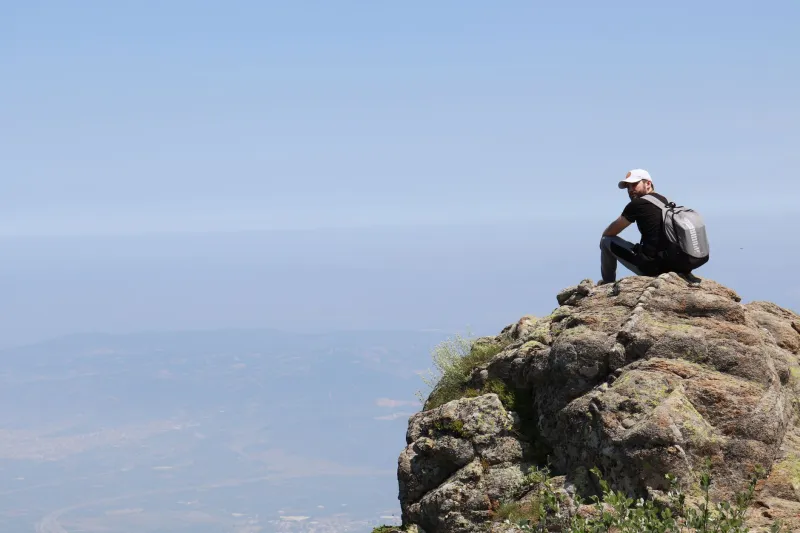
Photo by Photo by Tom Ru on Unsplash on Unsplash
There's this version of travel that lives on your camera roll — the two of you laughing at a rooftop bar in Nashville, squinting into the sun outside some canyon overlook, arms around each other at the airport gate. The photos are genuinely great. The friendship, though? That's a different story.
Somewhere between the flight home and the following Tuesday, something shifted. You still like each other's posts. You still say "we have to do that again" when someone brings up the trip. But you both know, quietly, that you probably won't. And you definitely don't talk about why.
This is the friendship breakup nobody really names. No dramatic falling out, no confrontation, no closure. Just a slow drift, powered by the very trip you thought would bring you closer.
When the Road Reveals Everything
Here's the uncomfortable truth about travel: it is one of the most efficient personality tests you will ever take. At home, you can be friends with someone for years without ever seeing how they handle a delayed flight, a wrong turn, or a restaurant where the menu is in a language neither of you speaks. Travel strips away the comfortable routines that let incompatibilities hide.
You find out fast whether someone's a morning person or a sleep-until-noon person. You learn whether they need to plan every hour or whether they're okay wandering. You discover how they handle money — and this one, more than almost anything else, has ended more travel friendships than bad weather ever could.
Maybe you were totally fine splitting everything evenly, but your travel buddy kept suggesting restaurants that were way out of your budget and then acting weird when you hesitated. Maybe they kept Venmoing you for things you thought were just casual shared expenses. Money is awkward at home. On the road, with no escape and no privacy, it becomes a pressure cooker.
The Instagram Problem Is Real
Let's talk about the elephant in the group chat: social media envy on the road is a genuinely toxic thing, and most travelers are too embarrassed to admit it's affecting them.
You're on the same trip. You're standing ten feet apart. But somehow, their photos are getting three hundred likes and yours are getting forty-seven. Or maybe it's the reverse — you're watching them subtly sulk every time you post something that performs well. It sounds petty. It feels petty. But it's also incredibly human, and when you're spending twenty-four hours a day with someone, even small resentments compound fast.
There's also the performance anxiety of traveling with someone who treats every moment as content. If your idea of a great trip is sitting in a coffee shop for two hours doing absolutely nothing, and your travel companion is scouting locations and asking strangers to take the same photo seventeen times, you are going to have a very long week.
Different Speeds, Different Trips
Pace is everything. This is something seasoned travelers know and first-timers learn the hard way.
Some people travel to see as much as possible — the checklist mentality, which is genuinely valid, especially if you're visiting somewhere once and want to make it count. Other people travel to be somewhere. They want to sit in the same café three mornings in a row. They want to get lost without an agenda. Neither approach is wrong. But put those two travelers together for ten days, and someone is going to feel like they're either being dragged or held back.
The resentment builds quietly. The slow traveler starts feeling guilty. The fast traveler starts feeling frustrated. By day seven, you're doing separate things in the same city and telling yourselves it's "totally fine, we just have different styles." Technically true. Practically, a preview of the fade that's coming.
Why You Stop Talking After You Get Home
This part is harder to explain, but a lot of travelers recognize it immediately when you describe it.
When you get home, there's this brief, intense period where the trip is the only thing you want to talk about. You're texting each other throwback photos, sending memes that reference inside jokes from the road, maybe even starting a shared album. It feels like the friendship has leveled up.
And then, slowly, real life reasserts itself. Your routines diverge. The references start to feel like they need more and more context to land. And sometimes — especially if the trip had rough patches — you realize that the person you traveled with is actually associated, in your nervous system, with stress. With the argument about the rental car. With the night one of you got sick and the other one wasn't particularly sympathetic. With the moment you realized you two just don't travel well together.
You don't hate them. You're just... done processing the trip together. And without that shared project, there's less holding the friendship in place than you realized.
It Doesn't Always End This Way
To be fair — and this matters — travel can do the exact opposite. Some friendships get forged so deeply on the road that they become the kind that last decades. The ones where you've seen each other at your worst (sweaty, lost, broke, exhausted) and still chose each other. Those trips become shorthand for everything good about a friendship.
The difference, usually, comes down to whether you were honest with each other during the trip. Did you actually say "hey, I need a slow morning" or did you just silently resent the 7 a.m. museum opening? Did you talk about the budget before you left, or did you assume you were on the same page?
The trips that cement friendships tend to be the ones where both people felt free to be themselves — not performing, not accommodating, not quietly keeping score.
What to Do With the Ghost
If you've already got a travel ghost — someone who was your ride-or-die on the road and is now just a name you occasionally see in your memories app — you're not obligated to resurrect it. Sometimes a friendship runs its course, and a trip just accelerated the timeline.
But if there's someone you genuinely miss, it might be worth a low-stakes reach-out that has nothing to do with travel. Just a regular "hey, how are you" that doesn't try to recapture something. Sometimes the friendship that couldn't survive the trip can survive just fine on solid ground.
And if you're planning a trip with someone new? Talk about money before you book. Talk about pace. Talk about how much alone time you each need. It's a slightly awkward conversation that takes about fifteen minutes. It's much less awkward than a week of silent resentment in a shared Airbnb.
Travel reveals people. That's the whole point. Sometimes what it reveals is that you're better as friends from a distance — and that's okay too.